Many also won’t seek help because they believe none is available to them. Young witnesses of household violence also may develop any number of adult health problems. The problems include a greater likelihood of depression, obesity, cancer, heart disease, substance use disorder, tobacco use, and unplanned pregnancies. The perpetrators may not be productive members of society due to substance use disorder (sleeping it off, etc.) or may be imprisoned for acts of violence. One in three adolescent girls in the U.S. has experienced some form of abuse — physical, verbal, or emotional — in dating relationships. Campbell’s work led her to create a Danger Assessment tool, a list of 20 potential risk factors for homicide.
- The strong relationship between substance abuse and perpetration of IPV has been found in primary health care settings, family practice clinics, prenatal clinics, and rural health clinics.
- Seeking out treatment options for both substance use disorder and domestic violence is imperative to recovering completely.
- Future relationships can thrive, but first, you need time to recover and rebuild your confidence in love and yourself.
- While enforcement strategies and protective orders have helped reduce reported cases over the years, significant work lies ahead.
- It can manifest in substance use, eating disorders, and reproductive health problems.
In what ways are substance abuse and violence interconnected?
Using a substance as a means of escape can lead to a substance abuse issue. The connection between trauma, violence, and substance abuse is intricate and impactful. It should not be used in place of the advice of your physician or other qualified healthcare provider. Regardless of whether someone is a perpetrator or victim of domestic violence, one form of abuse should not lead to another.
The Role of Peer Support in Overcoming Addiction
The most prevalent involves a destructive “critical inner voice” that perpetuates irrational thoughts such as “You’re not a man if you don’t hit her,” or “She is making fun of you. ” Acting on the lies this voice tells can convince aggressors to attempt to control their partner (or loved one) by taking violent measures Sober living house toward their seemingly “insubordinate” or “disrespectful” behavior. This unhealthy, and often delusional, inner monologue can be seen in both male and female perpetrators of this kind of aggression.
Recognizing Domestic Violence
Discover definitions, data, and effective strategies to prevent intimate partner violence. In this article, we’re going to take a closer look at the relationship between domestic violence and substance abuse. Domestic violence is one of many sad realities we face in the world today. However, just because it’s a reality doesn’t mean things have to be that way. At New Directions for Women, we are passionate about helping women through these times of crisis.
Leave this site safely
Moreover, those coping with the trauma of abuse frequently turn to drugs or alcohol as a means of self-medication. This behavior not only compounds their health issues but also raises the likelihood of developing substance use disorders (SUDs). The link between domestic violence and substance abuse is rooted in trauma. Survivors of abuse often experience profound emotional pain, which they may try to numb with drugs or alcohol.
Studies show that 30% to 40% of these children may replicate cycles of violence, creating a generational issue. Substance abuse plays a significant role in the dynamics of intimate partner violence (IPV) through various pathways. Research indicates that the use of illegal drugs and alcohol can intensify violent behaviors and increase the frequency of IPV incidents. A staggering statistic shows that between 40% to 60% of domestic violence cases involve substance usage, highlighting the correlation between these two issues. Domestic violence and substance abuse often go hand in hand, with devastating effects on mental health.
Substance abuse and domestic violence are two issues that often intertwine, creating a complex and challenging dynamic within relationships and families. While they are separate problems, there is a strong correlation between the two, with substance abuse acting as a significant risk factor for domestic violence. In this article, we will delve into the connection between substance abuse and domestic violence, examining the underlying factors, impact on victims and families, and the importance of addressing both issues simultaneously. Substance abuse and domestic violence are two deeply intertwined issues that can create a devastating cycle of harm. Many people don’t realize just how closely linked these two challenges are, as each can exacerbate the other in complex ways. This connection many times creates a toxic environment that can be very difficult to escape from.

For instance, a child’s exposure to their father’s abuse of their mother is the substance abuse and domestic violence strongest risk factor for transmitting domestic violence from one generation to the next. This cycle of domestic violence is difficult to break because parents have presented violence as the norm. In the United States, the vast majority of nonfatal intimate partner victimizations of women (66%) occur in the home. Women are five to eight times more likely than men to be victimized by an intimate partner.
The Physical and Psychological Symptoms of Heroin Withdrawal
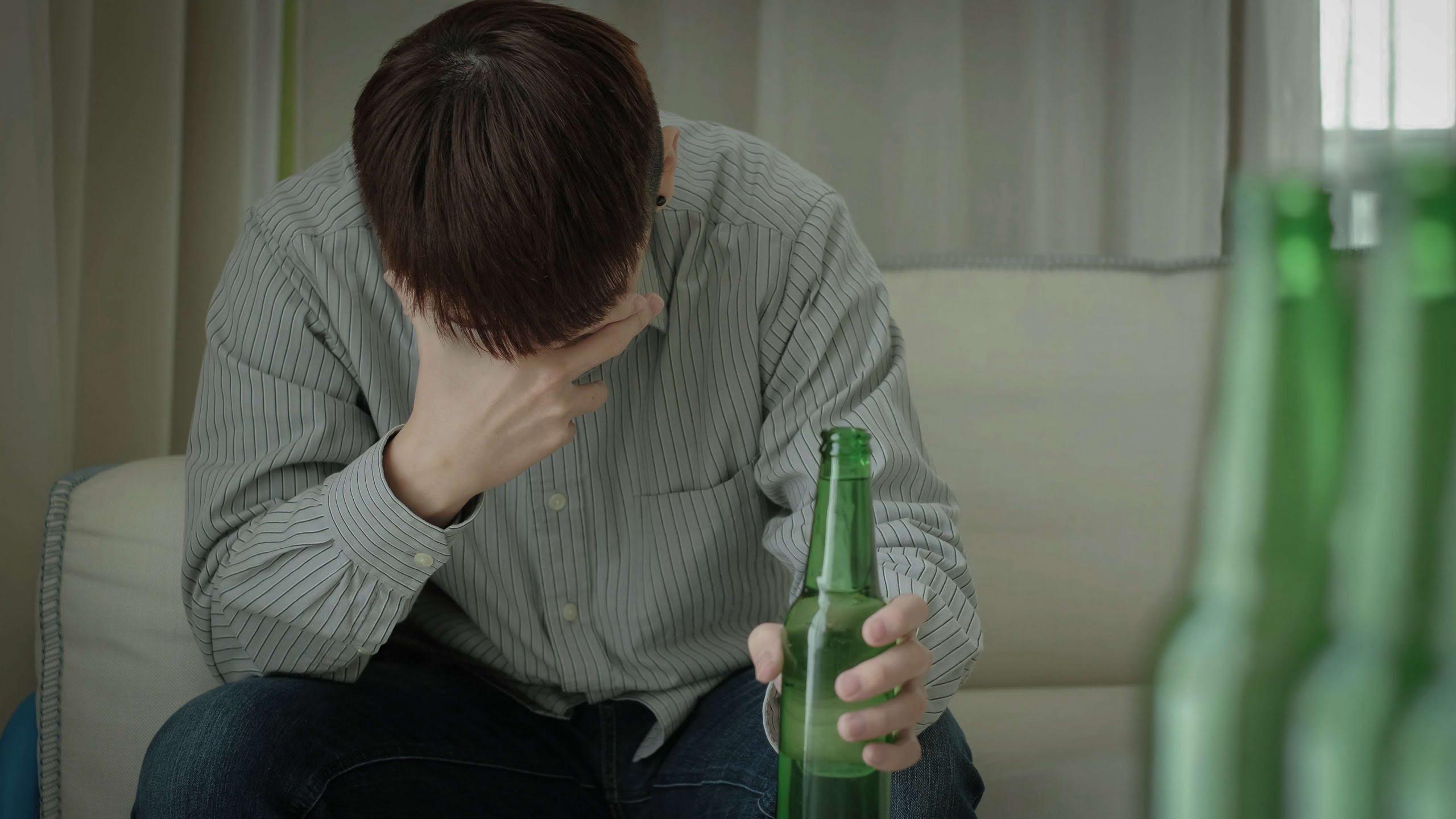
This type of violence isn’t limited to just physical harm; it can also include manipulation, intimidation, and isolation, making it hard for the victim to seek help or leave the situation. Domestic violence can affect anyone, no matter their age, gender, or background. Recognizing the signs and understanding the dynamics at play is crucial for victims and their loved ones.
Addiction harms both the body and mind, causing health problems, mood swings, and broken relationships. Children of addicted parents often suffer emotionally and may face their own struggles later in life. Financial strain from sustaining an addiction can also cause added stress and conflict, escalating tensions within relationships.